Sub-Zero repairEmergency repair
Emergency Sub-Zero repair: what the technician does first
When a Sub-Zero quits, the job is bigger than one part — there's the food, the floor and, in a high-rise, the ceiling of the unit below. Our phone line never closes (24/7), and visits are booked daily, 8 AM–6 PM — on the day you call, or the next one when the schedule allows.
4.9 out of 5 from 150 client reviews Rating details
Two things to handle before anything else
Careful
Water spreading or a burning smell
These are the failures that travel beyond the appliance. Deal with them first, then call (312) 964-8834.
- Water on the floor: close the water shutoff that feeds the unit — usually in an adjacent cabinet or under the sink — and towel up what you can. In a high-rise, tell the concierge or building engineer straight away; water finds its way to the apartment below.
- Burning smell, smoke or sparks: switch the unit off at the breaker rather than at the control panel, and don't touch it with wet hands.
- Hissing, a chemical odour or oily residue at the back: likely a refrigerant leak. Keep people and pets away from that spot and don't attempt a repair.
- Everything else: keep the doors shut so the cold stays in while you wait.
Six situations that count as urgent
- No cooling in any section
- Likely cause Compressor not starting, a failed start relay, the control board or a power fault See the repair
- Hissing, chemical odour, oily traces
- Likely cause Refrigerant escaping from the sealed system — a job for a technician only
- Compressor grinds, clicks off or trips the breaker
- Likely cause Failing compressor or start components, or an electrical fault on the circuit
- Water pooling under or around the unit
- Likely cause Burst supply line, a failed inlet valve or a blocked defrost drain
- Dead or erratic after a storm or outage
- Likely cause Surge damage to the control board, relays or protective circuits See the repair
- Burning smell from the unit
- Likely cause Overheating wiring, a seized fan motor or a component on the board — power off at the breaker first
From your call to the follow-up visit
This is the order of work on an urgent call. No arrival times are promised here: they depend on the day's schedule and on your building.
-
The call
We ask what you see, hear and smell, and talk you through protecting food and floors. Someone picks up at any hour.
-
Dispatch
Visits happen within working hours (daily, 8 AM–6 PM): today if there's room in the schedule, if not then tomorrow. For high-rises we arrange access, the freight elevator and the loading dock with the concierge or management first.
-
Risk check
Before tools come out: is anything electrical unsafe, is water still moving, how long has the food been warm. Those answers decide what gets done first.
-
Repair or a stopgap
When the technician carries the failed part, it's replaced there and then. When your model needs a part shipped in, we stabilise what we can — stop the leak, make the unit safe, advise on moving food — and book the return.
-
Follow-up
After the repair the unit runs until every zone settles at temperature and the water connections stay dry. When a part was ordered, the second visit closes the job.
Have this ready when the technician arrives
A little preparation keeps the visit short and makes it more likely the repair is finished in one trip.
- The rating plate details, model and serial — usually inside the unit or behind the top grille; a phone photo is fine
- Any error code or flashing pattern, written down or photographed before anyone resets the unit
- Roughly when it started and anything unusual in the hours before it: an outage, a storm, a deep clean, work in the kitchen
- A clear path to the appliance, with the top grille and the toe-kick reachable
- The location of the water shutoff and of the breaker that feeds the unit
- Building access sorted: concierge told, freight elevator booked if your building requires it, loading dock or parking instructions
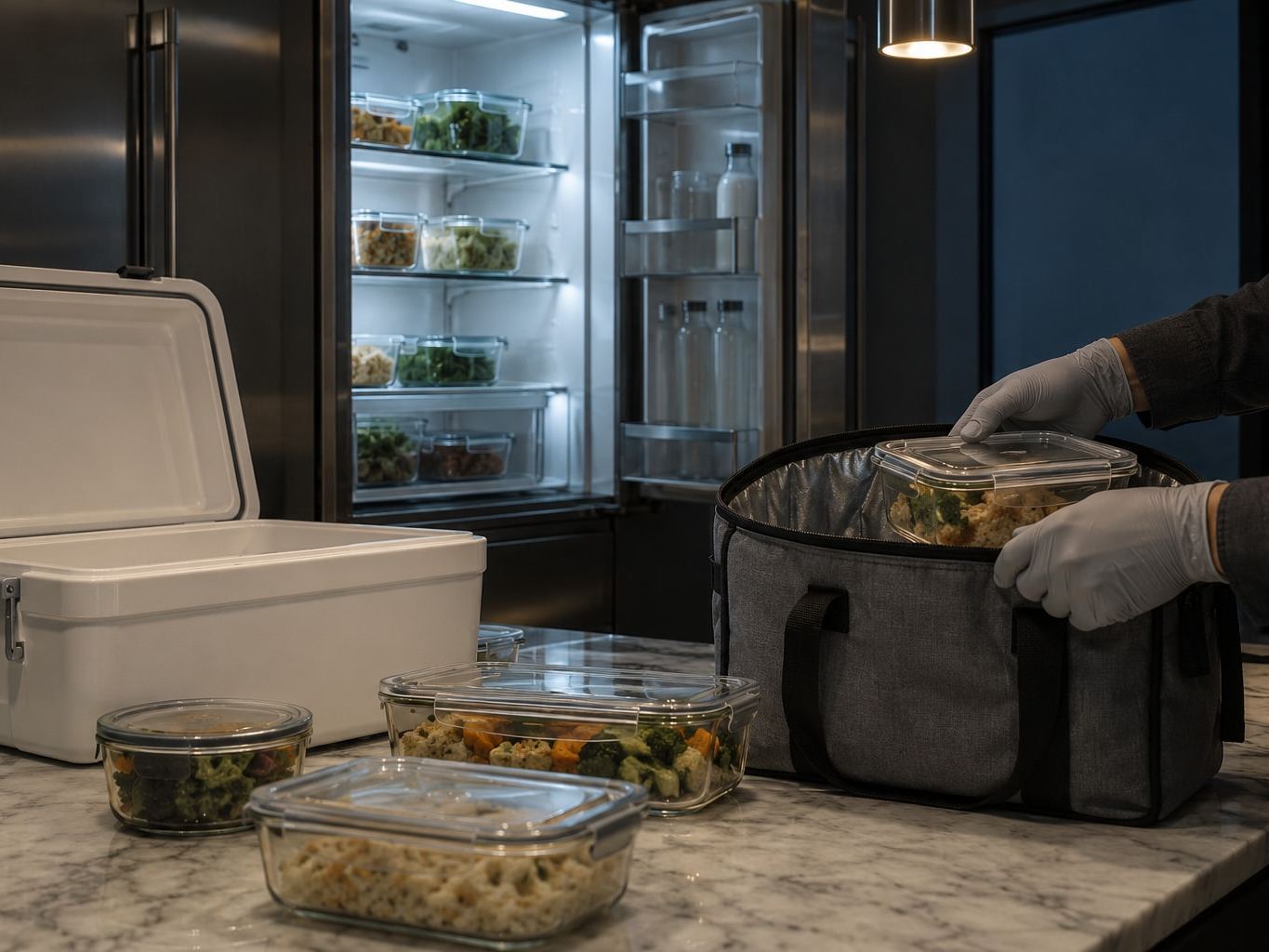
- Coolers or space in another unit for food, in case this one has to be emptied
- Paperwork from any earlier repair on the same appliance
When it fails at the worst moment
- How long will food stay safe if my Sub-Zero stops cooling?
- As a rough guide, a full freezer that stays closed can hold for up to 48 hours, and a refrigerator for about 4. Treat those as guidelines, not promises — every door opening shortens them. Check the temperature of food before using it, and see our emergency page for the owner's checklist during the wait.
- Do you send someone overnight?
- No. Someone answers the phone at any hour, yet technicians only work daily, 8 AM–6 PM. Overnight we help by phone — how to protect food, isolate the water or cut the power safely — and book the earliest available visit.
- Do you do emergency visits on weekends?
- Yes — the visit schedule is identical seven days a week (daily, 8 AM–6 PM), so Saturday and Sunday are normal working days for us.
- Does an urgent call cost more?
- The visit fee is $89 whether the call is urgent or routine — a single charge for the trip, however many Sub-Zero units get looked at — and it comes off the repair bill. What the fix costs is worked out once the technician has seen the fault, before work begins.
- My freezer is warm but the fridge is fine. Is that an emergency?
- It's urgent for what's in the freezer. On many Sub-Zero models the freezer has its own cooling system, so one side can fail while the other runs normally. Move what you can into the refrigerator or coolers and book a freezer repair visit.